Alperton Tube Station bulky rubbish pickup tips: a practical guide for faster, safer clearances
If you are trying to shift a sofa, mattress, broken cupboard, or a small mountain of mixed junk near Alperton Tube Station, you already know the awkward bit: bulky rubbish is never just "one thing". It is heavy, usually inconvenient, and always seems to appear at the worst time. These Alperton Tube Station bulky rubbish pickup tips are designed to help you clear it without turning the day into a full-blown headache.
Whether you are moving out of a flat, tidying a shared house, clearing a rental, or dealing with a half-finished project in a tight London street, the smartest approach is usually the same: sort early, lift safely, avoid banned items, and choose the right removal method for the load. Below, you will find practical advice, local-minded planning tips, and a clear step-by-step process that should save you time, money, and a fair bit of stress.
Table of Contents
- Why Alperton Tube Station bulky rubbish pickup tips matters
- How bulky rubbish pickup works near Alperton Tube Station
- Key benefits and practical advantages
- Who this is for and when it makes sense
- Step-by-step guidance
- Expert tips for better results
- Common mistakes to avoid
- Tools, resources and recommendations
- Law, compliance, standards, or best practice
- Options, methods, or comparison table
- Case study or real-world example
- Practical checklist
- Conclusion
- Frequently asked questions
Why Alperton Tube Station bulky rubbish pickup tips matters
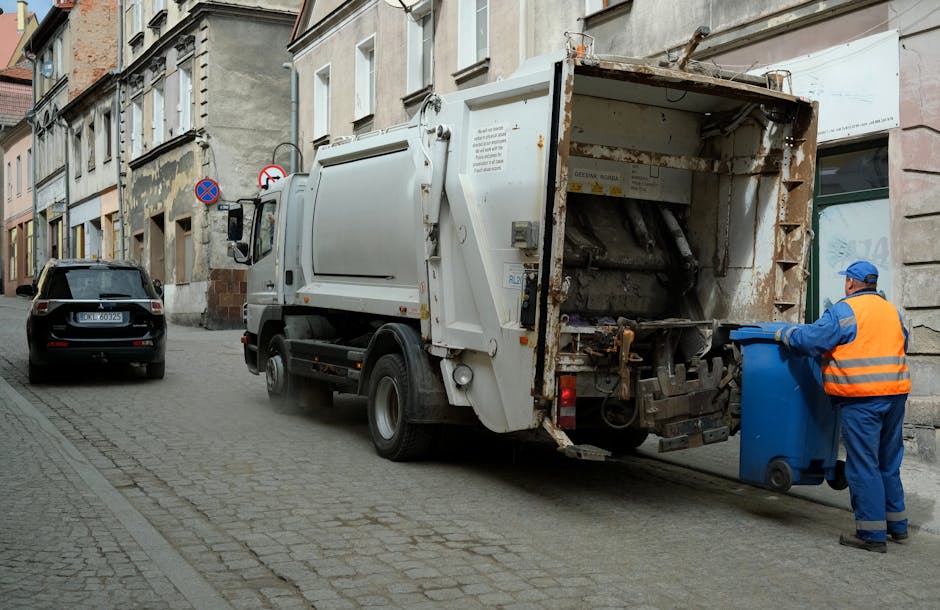
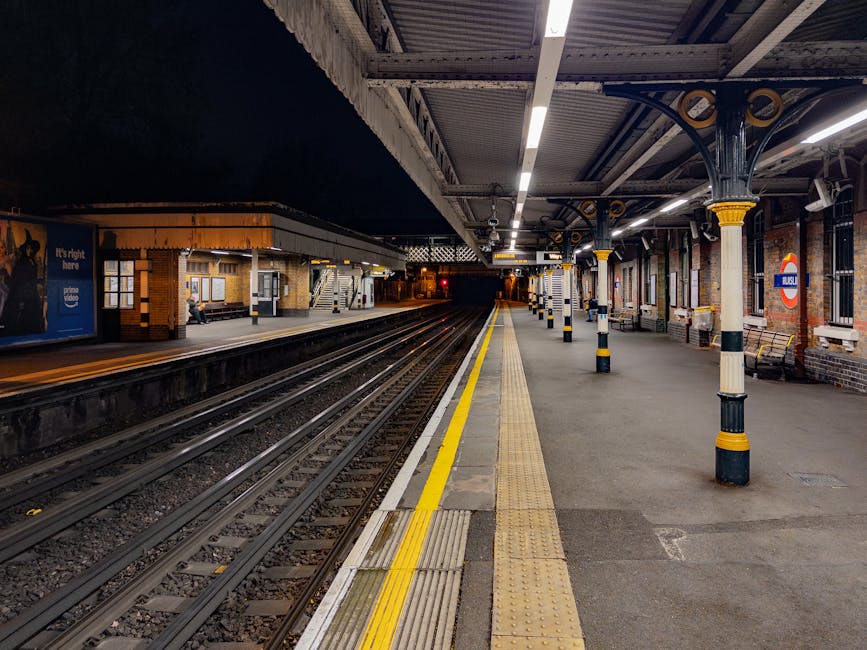
Bulky rubbish sounds simple on paper. In real life, though, it can block hallways, damage walls, attract complaints from neighbours, and become a safety issue if it is left sitting around. Around a busy transport hub like Alperton Tube Station, that matters even more because access can be tight, parking is rarely generous, and foot traffic tends to keep moving. The difference between a smooth pickup and a messy one often comes down to planning.
There is also a cost angle. A single poorly planned collection can lead to extra labour, wasted vehicle space, or a second visit. And if you are handling items that contain hidden hazards, such as fridges, old chemicals, or broken electricals, the risks are not just financial. Let's face it, nobody wants to discover halfway through loading that the "junk pile" includes something that needs special handling.
Good bulky rubbish pickup tips help you do three things at once: protect people, protect property, and get the job done in one go. That is the real win. Not glamourous, but very useful.
How Alperton Tube Station bulky rubbish pickup tips works
The basic process is straightforward: identify what needs removing, separate it into sensible groups, check whether any items need special disposal, and arrange a pickup method that suits the volume and access conditions. Near Alperton, the main challenge is often logistics rather than the waste itself. Stairs, narrow entrances, limited waiting space, and on-street loading all affect how the pickup needs to be handled.
Most bulky rubbish collections work best when the waste is grouped before the crew arrives. That might mean putting furniture in one area, bagging smaller loose items, and keeping anything hazardous away from the main pile. If you are dealing with mixed household waste, a flat clearance or home clearance approach may be more practical than trying to piece together multiple small removals. If the waste is mainly old chairs, sofas, or wardrobes, then a focused service such as furniture disposal or furniture clearance may fit better.
In practice, a proper pickup usually follows a simple flow:
- Survey the items and estimate the load.
- Check for anything that cannot go with normal waste.
- Make the route to the items clear.
- Confirm the collection time and access details.
- Remove, load, and sort for reuse or recycling where possible.
That last part is worth mentioning. A decent waste removal plan is not just about getting rid of things. It should also leave room for recycling and reuse, especially for furniture, white goods, and reusable fixtures. Services like recycling and sustainability can be part of that wider picture.
Key benefits and practical advantages
A well-planned bulky rubbish pickup gives you more than a tidy room. It reduces the chance of injuries, avoids repeat visits, and makes the property easier to use again straight away. In London, where space is at a premium, that matters a great deal.
- Faster clearances: If everything is staged properly, the team can load efficiently without stopping to sort.
- Less disruption: Neighbours, tenants, and business neighbours are less likely to be affected by long unload times or messy corridors.
- Better safety: Heavy or awkward items are handled with fewer improvised lifts and fewer "this should be fine" moments. Spoiler: those moments usually are not fine.
- Improved recycling outcomes: Separating reusable or recyclable items makes proper sorting more realistic.
- More accurate quoting: Clear information about volume and item types helps avoid surprises.
There is also a psychological benefit. A cleared space feels lighter almost immediately. You notice the echo in a hallway, the bit of daylight by the window, the room breathing again. Small thing, maybe. But it changes how a property feels.
If your clearance is tied to a move, a refurbishment, or an end-of-tenancy job, a broader service like house clearance, home clearance, or even flat clearance can be the most efficient route.
Who this is for and when it makes sense
These tips are useful if you are a homeowner, tenant, landlord, letting agent, office manager, tradesperson, or facilities lead dealing with bulky waste near Alperton Tube Station. It also helps if you simply have a few large items that are too awkward for normal household collections.
Some common scenarios include:
- clearing a flat after a move
- removing old sofas or mattresses
- disposing of damaged wardrobes, tables, or bed frames
- clearing loft, garage, or garden overflow
- emptying an office after refurbishing or downsizing
- moving builders' offcuts, packaging, or site debris
If the load is mainly office paper, files, and confidential materials, a specialist option like confidential shredding may be the better fit. If the waste comes from a project with rubble, plaster, timber, or mixed site debris, builders waste clearance is usually more appropriate.
Truth be told, if the pile has grown to the point where you have to step around it every day, you probably needed a pickup yesterday.
Step-by-step guidance
Here is the practical part. Keep it simple and you are far more likely to get a clean result on the first attempt.
1. Walk the route before you do anything else
Look at the path from the waste to the exit, then from the exit to the vehicle. Check for tight corners, low ceilings, narrow doors, and anything that could snag. It only takes one awkward landing to slow the whole process down.
2. Sort items into clear groups
Make three simple groups: bulky reusable items, general bulky waste, and anything that may need special disposal. You do not need a perfect system. You just need something a human crew can understand quickly without playing waste-based detective.
3. Separate special items early
Fridges, freezers, old electronics, mattresses, and anything suspected to contain hazardous components should be flagged early. If in doubt, keep them out of the main pile until you have checked the disposal route. For appliances, fridge and appliance removal is a sensible reference point. For beds and seating, mattress and sofa disposal is more relevant.
4. Make the load easy to lift
Remove loose cushions, drawers, shelves, and detachable parts. Tape up sharp edges if needed. If an item can be safely disassembled without wasting time, do it. A dismantled wardrobe is much friendlier than a wardrobe that tries to remain a wardrobe.
5. Confirm access and timing
Near Alperton Tube Station, timing matters. Pick a window that avoids the worst access pressure if you can. If the street gets busy early, or a building has narrow shared access, give yourself breathing room. That little bit of slack can save a lot of hassle.
6. Load with a plan
Put heavier items in first if that suits the vehicle arrangement, then fill the remaining space with smaller items. The aim is stable loading, not a random game of Tetris under pressure.
7. Ask how items will be handled after pickup
If you want the most responsible outcome, ask whether usable items may be separated for reuse, or whether recyclable fractions will be sorted out. Services connected to waste removal often take this into account, but it is still worth confirming.
Expert tips for better results
Over time, a few habits make bulky rubbish pickups noticeably smoother. Nothing flashy. Just the kind of details that stop small issues becoming big ones.
- Take photos before collection: A few clear pictures of the pile, doorway, stairs, and parking point can make quoting and planning easier.
- Measure unusually large items: That extra ten centimetres can matter when turning a corner in a narrow stairwell.
- Keep mixed waste out of furniture piles: Loose clutter slows down loading and creates sorting delays.
- Label anything you want to keep: Sounds obvious, but in a busy clear-out it is easy to forget.
- Think about the end use of the space: If the room needs decorating or repairs after clearance, plan the pickup so it does not clash with other trades.
A small but useful detail: if you are clearing a loft, garage, or overfilled spare room, the air often gets dusty fast once items start moving. Open a window if you can, and wear gloves. Not glamorous, I know, but very sensible.
If you are comparing service types, you may also want to review loft clearance, garage clearance, or garden clearance depending on where the bulk of the rubbish is coming from.
Common mistakes to avoid
Most bulky rubbish problems are surprisingly predictable. The same few mistakes come up again and again.
- Leaving everything mixed together: Furniture, food waste, broken glass, and general clutter should not all be thrown into one untidy heap.
- Assuming every large item is straightforward: Some items need special handling, and ignoring that can create delays or non-collection.
- Underestimating access issues: A van can only load if it can actually reach the property without a drama.
- Forgetting building rules: Flats, estates, and managed properties often have their own access or timing expectations.
- Waiting until the last minute: That is how people end up paying for rushed solutions.
There is also a classic one: forgetting to clear the stuff around the bulky waste. The box of loose bits, cables, and packaging often takes longer than the big item itself.
Tools, resources and recommendations
You do not need a warehouse full of equipment to prepare for a pickup, but a few simple tools help a lot:
- strong bin bags or rubble sacks for loose items
- packing tape for securing drawers or small loose parts
- gloves with a decent grip
- a marker pen for labelling items to keep or move elsewhere
- a torch for dark corners, lofts, or storage spaces
- a trolley or sack truck if you are safely moving items across a flat surface
For decision-making, it helps to compare your removal options before you start lifting anything. A service page like pricing and quotes can be useful when you are trying to understand the likely cost structure, while book online may suit people who want to get the job scheduled quickly without back-and-forth.
If you are handling valuable business information or older archived paperwork during a clearance, keep it separate and consider confidential shredding rather than mixing it with general waste. That one gets overlooked far too often.
Law, compliance, standards, or best practice
When you are dealing with bulky rubbish in the UK, the safest approach is to follow standard waste duty principles: keep waste separated where practical, avoid fly-tipping, and make sure any removal route is legitimate and traceable. If you hand waste to the wrong person, you can end up with problems later, especially if it is dumped illegally. That is not just inconvenient. It can become your problem too.
For households and businesses alike, best practice means:
- checking whether the waste includes hazardous or restricted items
- using a service that handles waste responsibly
- keeping records or confirmations where appropriate for business waste
- avoiding leaving items on pavements or shared land without permission
- following any site or landlord rules for collection access
If you are a business near Alperton Tube Station, you may also need to think about security and insurance. A reputable provider should be able to explain how items are handled and what happens if access is difficult or the load changes. Pages such as insurance and safety and health and safety policy are the kind of background information worth checking before you book.
For hazardous or specialist waste, do not guess. Use the specific route. A dedicated page like hazardous waste disposal is the kind of thing to review if the load includes paint, chemicals, oils, or other risky materials.
Options, methods, or comparison table
Choosing the right method depends on the amount, type, and accessibility of the rubbish. Here is a simple comparison.
| Method | Best for | Pros | Watch-outs |
|---|---|---|---|
| Single bulky item pickup | One or two large items | Simple, quick, low fuss | Can become inefficient for mixed loads |
| Full bulky rubbish clearance | Multiple large items or mixed clutter | More efficient for bigger jobs | Needs better preparation and access |
| Room or property clearance | Flats, homes, offices, lofts, garages | Best for broad clear-outs | Requires more planning and sorting |
| Specialist removal | Appliances, mattresses, hazardous items, confidential materials | Safer and more compliant | May need separate booking or handling |
If you are not sure which route fits, think about the main question: is this a few items, or a proper clear-out? That answer usually tells you most of what you need.
For bigger domestic jobs, house clearance or home clearance may be more efficient than arranging several smaller visits. For commercial spaces, office clearance or business waste removal may be the better fit.
Case study or real-world example
Picture a small rental flat not far from Alperton Tube Station. The tenant is moving out on a Friday afternoon, and the place has the usual mix of things that never fit neatly into one category: an old bed frame, a tired sofa, a broken desk chair, a chest of drawers with missing handles, and a pile of cardboard from recent deliveries. Nothing outrageous. Just enough to make the hallway feel cramped.
The most successful part of the pickup is not the lifting. It is the preparation the day before. The bed frame is taken apart, screws are bagged and taped to the frame, the sofa cushions are separated, and the cardboard is flattened. The tenant leaves a clear path to the front door, the lift is checked, and the items are staged so the crew can work without stopping every few minutes to ask what goes where.
Result? One pickup, minimal disruption, and a flat that is ready for cleaning and inspection. Simple, but not accidental.
That is usually how good bulky rubbish pickup tips work in the real world. Not dramatic. Just organised.
Practical checklist
Use this before collection day. It is intentionally short and practical.
- Identify every bulky item that needs removing
- Separate hazardous, electrical, or specialist items
- Break down furniture where safe and sensible
- Clear access routes, doorways, and stairwells
- Measure oversized items if access is tight
- Group items by type so loading is quicker
- Confirm collection time and location details
- Keep valuables, documents, and keep-items away from the pile
- Check any building, landlord, or parking restrictions
- Ask about recycling or reuse if that matters to you
If you are dealing with a very mixed load, you may also want to review what can go in a skip so you have a better sense of what is generally acceptable and what needs to be kept out.
Conclusion
Bulky rubbish pickup near Alperton Tube Station does not have to be difficult. In fact, once you strip away the stress, it comes down to a handful of smart habits: plan access, sort the waste, separate special items, and choose the right removal route for the job. Do that well, and the whole process becomes much more manageable.
The best Alperton Tube Station bulky rubbish pickup tips are the ones that reduce friction before the crew even arrives. A clear route, a sensible pile, and a realistic plan can save a surprising amount of time. And when the space is finally cleared, the change is immediate. You feel it straight away.
If you want a straightforward way to move from planning to action, take a look at the relevant service information, compare your options, and book the collection that matches your load rather than forcing the wrong method to fit.
Get a free quote today and see how much you can save.
Sometimes the cleanest result is simply the one that was organised with a bit of care from the start.
Frequently Asked Questions
What counts as bulky rubbish near Alperton Tube Station?
Bulky rubbish usually means large household or commercial items that are awkward to move through normal waste channels, such as sofas, wardrobes, mattresses, tables, chairs, and large mixed clutter.
Can I leave bulky rubbish outside the property for pickup?
Only if you have permission and the arrangement is agreed in advance. In shared or public areas, leaving items outside without approval can create safety, access, or liability issues.
Do I need to separate furniture from other waste?
Yes, that is usually a good idea. Separating furniture from loose rubbish makes collection quicker and can help with sorting, recycling, and safer loading.
What should I do with old mattresses and sofas?
Keep them separate and arrange the correct disposal route. They often need more specific handling than general rubbish, so a dedicated mattress or sofa disposal service is often the right choice.
Are fridges and appliances treated differently?
Yes. Appliances can contain components that need special handling. It is better to separate them early and use a suitable appliance removal route rather than mixing them with general bulky waste.
How do I prepare for a bulky rubbish pickup in a flat or apartment?
Measure the access route, check lift availability, clear hallways, and make sure neighbours or building managers are aware if needed. In tight spaces, preparation matters as much as the pickup itself.
Is bulky rubbish pickup suitable for office clear-outs?
Yes. Office desks, chairs, storage units, and general office clutter can often be removed in one planned clearance. If documents are involved, confidential shredding should be handled separately.
What if my pile includes hazardous waste?
Do not mix it with normal rubbish. Hazardous items should be identified and handled through the correct disposal route, especially if they include chemicals, oils, paint, or similar materials.
How can I avoid extra charges?
Give an accurate description of the load, photograph the items if useful, and keep the access route clear. Surprises on the day are what tend to create extra time and extra cost.
What is the biggest mistake people make with bulky rubbish pickups?
The most common mistake is poor preparation. People often underestimate how much space, lifting, or sorting is involved. A little organisation beforehand usually solves most of the drama.
Should I choose a room clearance or just a one-off pickup?
If you have a few items, a one-off pickup may be enough. If you are clearing an entire room, loft, garage, flat, or office, a broader clearance service is usually more efficient.
Can bulky rubbish be recycled?
Often, yes, at least in part. Furniture, metals, some appliances, and certain materials may be suitable for recycling or reuse depending on their condition and composition.
How far in advance should I book?
As soon as you know the load and the access conditions. If you are working to a move-out date, refurbishment schedule, or tenancy deadline, early booking is the safer option.
What if I am not sure what can go with the collection?
Ask before the pickup day and keep questionable items separate. If needed, compare your items against guidance such as what can go in a skip or check whether a specialist service is more appropriate.
For more about the team behind the service, you can also visit about us, and if you are ready to talk through a job, the best next step is to use contact us for a direct conversation about your clearance needs.